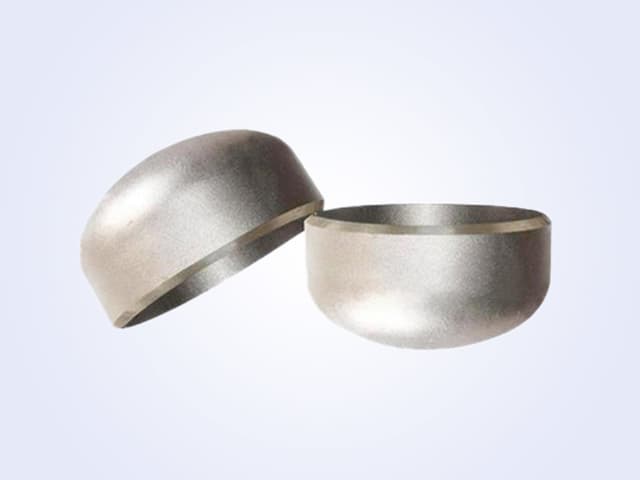
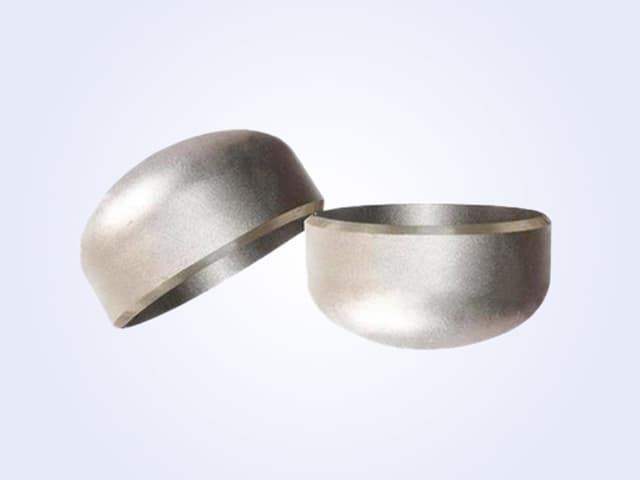
In daily pipeline systems, butt-welded pipe fittings play a crucial role. They are not only important components connecting various pipes but also bear the pressure of carrying fluids, gases, etc. However, with prolonged use or improper operation, butt-welded pipe fittings may encounter some failures. So what are the common failures? And how to solve these problems? Today we will delve into this topic.
Common Failure 1: Leakage
Leakage is one of the common failures in butt-welded pipe fittings. Imagine if the water pipe at home leaks, almost everyone would feel frustrated. So,
Why does it happen?
Typically, leakage can be caused by poor welding, material aging, or excessive external pressure.
Solving this problem is not complicated. If leakage is due to poor welding, it can be resolved by re-welding. When re-welding, ensure the standardization of welding techniques and the quality of welding materials. If it is material aging, replacing the butt-welded pipe fittings may be necessary. Additionally, proper pressure control during installation can effectively prevent leakage issues.
Common Failure 2: Corrosion
Corrosion is another failure that can affect the performance of butt-welded pipe fittings. Corrosion not only shortens the service life of fittings but can also lead to pipe rupture in severe cases, which is quite troublesome! So how does corrosion occur? It is usually due to chemical reactions between the inner and outer environments of the pipe, such as chemical agent erosion or impurities in the water.
To prevent corrosion, preventive measures can be taken. For example, choosing materials with good corrosion resistance or applying anti-corrosion coatings on the fitting surface are good options. Additionally, regular inspection and maintenance are necessary to ensure early detection and resolution of problems.
Common Failure 3: Deformation
Deformation of butt-welded pipe fittings is usually caused by excessive external pressure or temperature changes. It is like an over-stretched rubber band that loses its elasticity and shape. Deformation of butt-welded pipe fittings can lead to instability in the pipeline system, affecting the overall system operation.
The key to solving deformation problems lies in reasonable pipeline system design, ensuring butt-welded pipe fittings can withstand the corresponding pressure and temperature. During installation, pay attention to the fixation of fittings to avoid deformation caused by external factors such as vibration. Additionally, using supports can enhance the stability of the fittings.
Common Failure 4: Weld Cracks
Weld cracks are another common issue in butt-welded pipe fittings, usually occurring during the welding process. It is like a crease in a book; although it does not affect the overall use of the book, if serious, it can affect page turning. Weld cracks may be caused by improper welding techniques, inappropriate material selection, or poor temperature control during welding.
To solve the problem of weld cracks, first check the welding process to ensure the rationality of welding parameters. When selecting materials, also consider their weldability. Meanwhile, necessary heat treatment should be performed after welding to eliminate internal stress, thereby reducing the risk of cracks.
Butt-welded pipe fittings play an important role in pipeline systems. However, once failures occur, they can bring trouble to the entire system. Understanding these common failures and their solutions can help us better maintain the smooth operation of the pipeline system.
Regular inspection, reasonable design, and selection of appropriate materials are the best methods to prevent failures of butt-welded pipe fittings. For any failure, timely measures should be taken to ensure the safety and stability of the pipeline system.
Need a quote for the products mentioned in this article?
Submit your specs and our pressure piping team will respond within one business day.
Send RFQQuote in 4 hours
Products covered in this article
Sourcing any of these? Send the spec and our pressure-piping desk replies within 4 business hours.
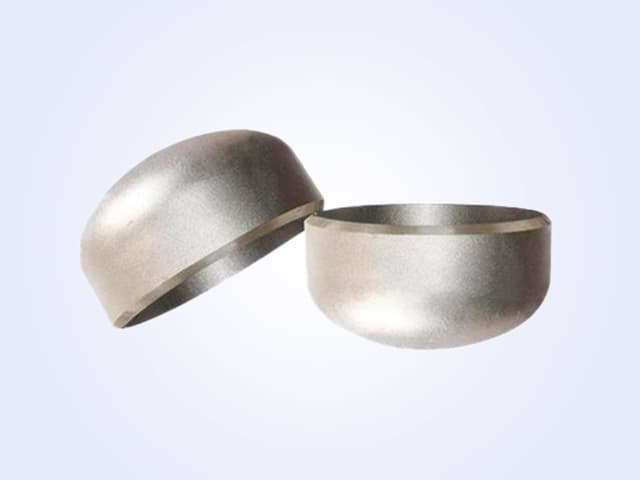 Pipe
ASTM A106/A53, API 5L, ASTM A192, DIN17175 ST35.8/37, DIN1629 ST52, ASTM A210, ASTM A335, ASTM A179
Related reading
 Industry news
Manatee Gas FID in Trinidad and Tobago: A Source-Checked LNG Feedgas Update
Shell's July 2024 FID for the Manatee gas development in Trinidad and Tobago signals continued investment in LNG feedgas. This update outlines what is verified, what remains to be checked, and how EPC buyers can align procurement with evolving project timelines.
 Industry news
Hammerhead FID: Guyana's Seventh Offshore Development in the Official Record
ExxonMobil has taken FID on the Hammerhead project offshore Guyana, the seventh development on the Stabroek block. With a capacity of 150,000 bopd and a $6.8 billion investment, production is expected in 2029. This article outlines the key facts and procurement implications for piping suppliers.
 Industry news
Uaru Approval and the Fifth Stabroek FPSO Development: Official Facts for Buyers
ExxonMobil's Uaru project, the fifth Stabroek development, received final investment decision in April 2023. This article provides verified facts for procurement and engineering professionals, including capacity, investment, and timeline, with guidance on what to verify.