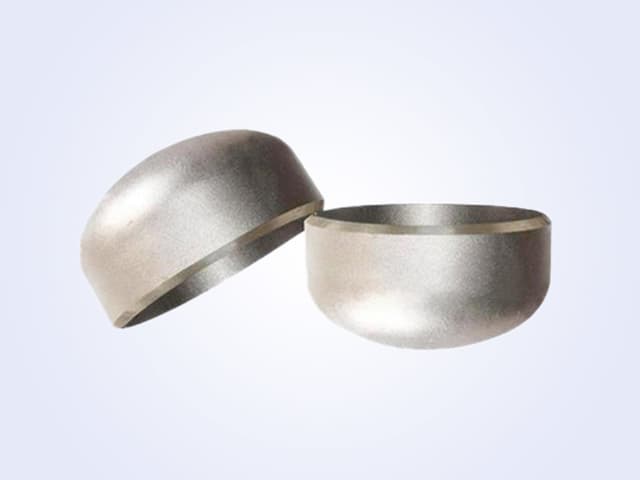
Analysis of Corrosion Resistance of Stainless Steel Butt-Weld Fittings
In modern industry, stainless steel butt-weld fittings are an indispensable component. Whether in the petroleum, chemical, food processing, or construction industries, stainless steel butt-weld fittings play an important role.
Why are they so popular?
Corrosion resistance is one of the key factors. Today, we will delve into the corrosion resistance characteristics of stainless steel butt-weld fittings to help you better understand their advantages.
What are butt-weld fittings?
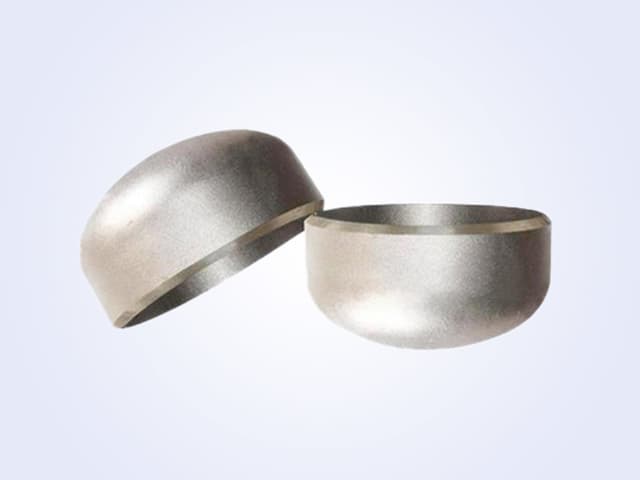
Before delving into the corrosion resistance of stainless steel butt-weld fittings, let's first understand what butt-weld fittings are. Simply put, butt-weld fittings are pipe fittings that connect two pipes together by welding. They are commonly used in environments that require high pressure and high temperature. This connection method not only provides a good seal but also effectively reduces the risk of leakage.
Basic characteristics of stainless steel
Stainless steel has superior corrosion resistance due to its unique alloy composition, especially the addition of chromium, which makes it perform well in humid and corrosive environments. Think of stainless steel as a "shield" that can resist external attacks and protect the internal structure from corrosion.
The role of chromium
Chromium acts like a superhero in stainless steel. It reacts with oxygen in the air to form a thin layer of chromium oxide. This layer acts as a protective barrier, preventing oxygen and moisture from penetrating further into the metal. Even in highly corrosive environments, this film effectively reduces the corrosion rate.
Corrosion resistance of butt-weld fittings
As an application form of stainless steel, the corrosion resistance of butt-weld fittings is also noteworthy. Unlike fittings made of other materials, stainless steel butt-weld fittings exhibit excellent performance in many aspects.
Acid and alkali resistance
In the chemical industry, pipelines often need to transport acidic or alkaline substances. In such cases, the acid and alkali resistance of stainless steel butt-weld fittings is particularly important. They can maintain stable performance under extreme conditions, ensuring the safety and efficiency of the production line.
High-temperature resistance
In addition, stainless steel butt-weld fittings also have good high-temperature resistance. In high-temperature environments, many materials may deform or lose strength, but stainless steel can maintain its structural integrity, making it particularly common in applications such as heat exchangers.
Oxidation resistance
The oxidation resistance of stainless steel butt-weld fittings is also commendable. Even in highly oxidizing environments, it can resist oxidation reactions and maintain stable chemical properties. This characteristic not only extends the service life of equipment but also reduces maintenance costs.
Advantages of using stainless steel butt-weld fittings
Using stainless steel butt-weld fittings is not just for corrosion resistance; there are many other benefits.
Reduced maintenance costs
Due to their corrosion resistance and high-temperature resistance, stainless steel butt-weld fittings require little frequent maintenance or replacement. This means that companies can significantly reduce maintenance costs during operation, improving overall economic efficiency.
Improved safety
In industrial production, safety is a primary consideration. The high strength and stability of stainless steel butt-weld fittings can effectively prevent safety hazards such as leaks and explosions, thereby protecting the safety of workers and equipment.
Conclusion
In summary, stainless steel butt-weld fittings are widely used in various industries due to their excellent corrosion resistance. Whether it's acid resistance, alkali resistance, high-temperature resistance, or oxidation resistance, these characteristics make stainless steel butt-weld fittings indispensable in modern industry. With technological advancements, the application fields of stainless steel butt-weld fittings will become even broader, and the future market potential is not to be underestimated.
Need a quote for the products mentioned in this article?
Submit your specs and our pressure piping team will respond within one business day.
Send RFQQuote in 4 hours
Products covered in this article
Sourcing any of these? Send the spec and our pressure-piping desk replies within 4 business hours.
Related reading
 Industry news
Manatee Gas FID in Trinidad and Tobago: A Source-Checked LNG Feedgas Update
Shell's July 2024 FID for the Manatee gas development in Trinidad and Tobago signals continued investment in LNG feedgas. This update outlines what is verified, what remains to be checked, and how EPC buyers can align procurement with evolving project timelines.
 Industry news
Hammerhead FID: Guyana's Seventh Offshore Development in the Official Record
ExxonMobil has taken FID on the Hammerhead project offshore Guyana, the seventh development on the Stabroek block. With a capacity of 150,000 bopd and a $6.8 billion investment, production is expected in 2029. This article outlines the key facts and procurement implications for piping suppliers.
 Industry news
Uaru Approval and the Fifth Stabroek FPSO Development: Official Facts for Buyers
ExxonMobil's Uaru project, the fifth Stabroek development, received final investment decision in April 2023. This article provides verified facts for procurement and engineering professionals, including capacity, investment, and timeline, with guidance on what to verify.