Introduction
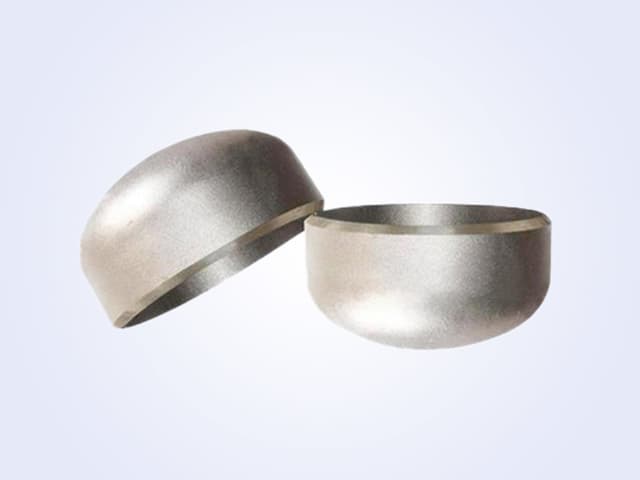
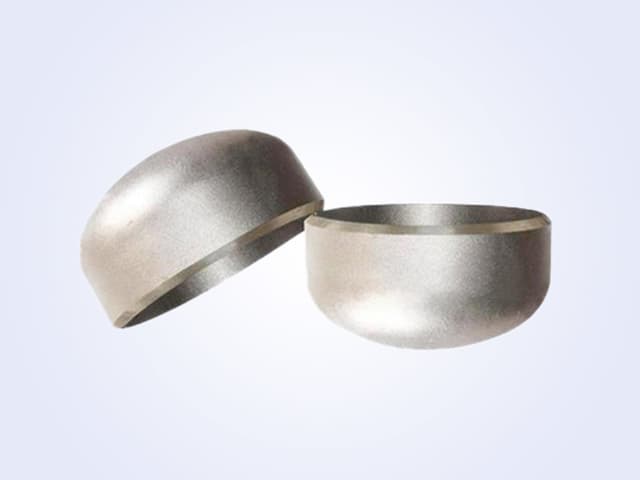
Forged pipe fittings are a critical component in industrial piping systems, especially in demanding environments such as oil & gas, petrochemical, and power generation. Unlike cast or wrought fittings, forged fittings are produced by hammering or pressing metal under high pressure, resulting in a dense, grain-oriented structure that offers superior mechanical properties. For procurement engineers, understanding the advantages—and the correct specification—of forged fittings can prevent costly failures and ensure system integrity.
Key Advantages of Forged Fittings
Mechanical Strength and Durability
Forged fittings exhibit high tensile strength and impact resistance due to the elimination of internal voids and grain refinement. This makes them ideal for high-pressure and high-temperature services, where cast fittings might suffer from porosity or cracking. The forging process aligns the grain flow with the shape of the part, enhancing its load-bearing capacity.
Dimensional Accuracy
The forging process allows for tight tolerances on dimensions such as bore, wall thickness, and face angles. Consistent dimensions simplify alignment and welding, reducing installation time and the risk of leaks. Unlike castings, which may shrink unevenly, forged fittings maintain near-net shape with minimal machining.
Superior Sealing Performance
The dense grain structure of forged fittings minimizes micro-leakage paths. In applications involving flammable or toxic fluids, this sealing capability is paramount for safety and environmental compliance. The absence of gas porosity or shrinkage cavities ensures leak-free operation under cyclic pressures.
Corrosion Resistance and Longevity
While corrosion resistance is primarily a function of material selection (e.g., stainless steel, alloy steel), the uniform microstructure of forged parts resists pitting and crevice corrosion better than cast alternatives. Proper heat treatment further enhances performance in sour service (NACE MR0175).
Standards to Confirm When Sourcing Forged Fittings
When procuring forged fittings, verify compliance with the following standards:
- ASME B16.11 – Forged fittings, socket-weld and threaded.
- ASME B16.5 – Forged flanges (if combined).
- ASTM A105 – Standard for carbon steel forged fittings.
- ASTM A182 – Specification for stainless steel and alloy steel forged fittings.
- MSS SP-79, SP-83, SP-95 – Additional industry standards for specific fitting types.
Always request a material test certificate (MTC) confirming the chemical composition and mechanical properties. Third-party inspection by agencies such as SGS or Bureau Veritas can also be specified for critical orders.
Inspection Documents Required
Procurement documentation should include:
- Material Test Report (MTR) / Certificate of Compliance.
- Dimensional inspection report.
- NDE (Non-Destructive Examination) reports: Visual, MPI, or UT depending on service.
- Heat treatment charts (if normalized or quenched).
- Traceability records from mill to finished part.
For high-criticality applications, consider requesting a Positive Material Identification (PMI) report and hydrostatic test certificate.
RFQ Checklist for Forged Fittings
When sending a request for quotation (RFQ) to manufacturers like Hebei Haihao Group, include the following details:
- Size: Nominal pipe size (NPS) and schedule.
- Type: Elbow, tee, coupling, cap, etc.
- End connections: Socket weld, threaded, or butt weld.
- Material grade: A105, F304, F316, etc.
- Standard: ASME B16.11, etc.
- Quantity and packaging requirements.
- Testing requirements: 100% hydrostatic, NDE, PMI.
- Delivery timeline and logistics preferences.
Additionally, specify any special requirements such as NACE compliance, low-temperature impact testing, or limited sulfur content.
Quality Risks to Watch For
Common quality issues in forged fittings include:
- Incorrect heat treatment leading to brittle failure.
- Dimensional deviations causing misalignment.
- Surface defects like laps or seams from forging.
- Improper threading that fails gauge inspection.
- Mixed materials due to poor traceability.
Mitigate these risks by requiring a supplier quality plan, conducting stage inspections, and verifying that the manufacturer has ISO 9001 certification. For large orders, consider factory audits or sample approvals.
What to Send Before Quotation
To receive an accurate quotation from a reliable supplier, you should provide:
- Detailed piping specifications (P&ID references ideal).
- Operating conditions: pressure, temperature, fluid type.
- Applicable codes and standards.
- Required certificates and third-party inspection requirements.
- Preferred material traceability level.
- Expected order quantity and delivery schedule.
Providing clear technical details minimizes back-and-forth and ensures the quote covers all necessary costs.
Conclusion
Forged pipe fittings offer distinct advantages in strength, precision, and leak-tightness. By following a structured procurement process—checking standards, requiring proper documentation, and specifying clear RFQ parameters—buyers can ensure they receive high-quality fittings that perform reliably in critical service.
For your next forged fittings order, consider Hebei Haihao Group. With decades of experience in manufacturing forged and butt-weld fittings, we can provide products to ASME, ASTM, and other international standards. Contact us with your specifications to receive a competitive quotation and full technical support.
Need a quote for the products mentioned in this article?
Submit your specs and our pressure piping team will respond within one business day.
Send RFQQuote in 4 hours
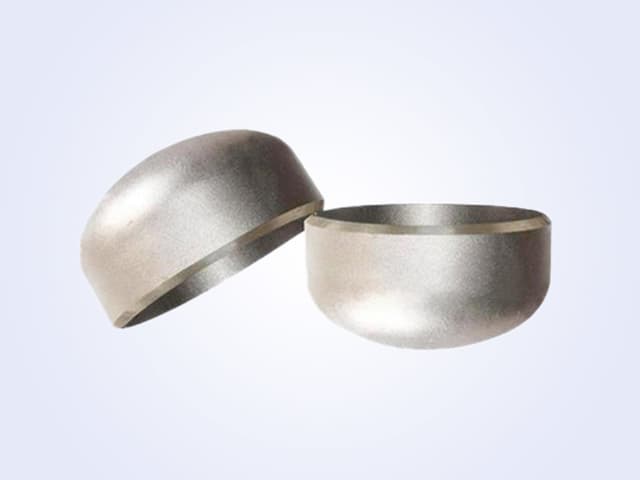
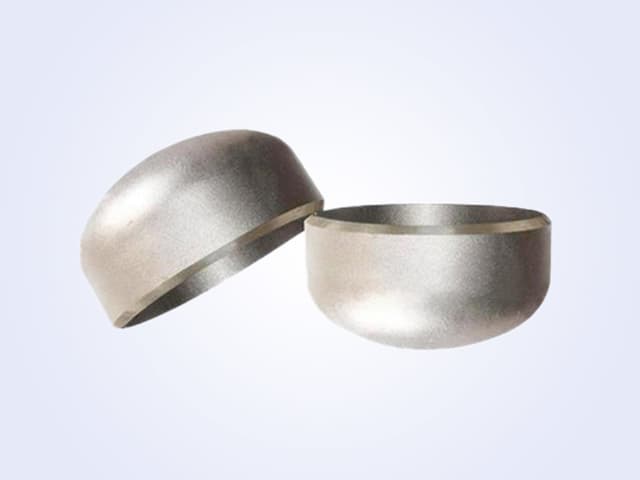
Products covered in this article
Sourcing any of these? Send the spec and our pressure-piping desk replies within 4 business hours.
Related reading
 Buyer guide
Low/Medium Pressure Flanges vs. Weld Neck Flanges: A Procurement Guide for EPC Buyers
Choosing between low/medium pressure flanges and weld neck flanges depends on system pressure, temperature, and application. This guide covers key differences, standards, inspection requirements, and RFQ best practices for global procurement professionals.
 Buyer guide
Procurement Guide for Stainless Steel Flanges: Key Features, Applications, and Selection Tips
Stainless steel flanges are critical for piping systems in demanding industries. This guide covers standards, inspection documents, RFQ essentials, and quality risks to help procurement engineers make informed decisions.
 Buyer guide
How to Source High-Pressure Flanges for EPC Projects: A Procurement Guide
A practical guide for EPC procurement engineers on sourcing high-pressure flanges, covering standards, inspection documents, RFQ checklist, quality risks, and pre-quotation information.